
Summer brings more than just warmer weather. It’s also the best time to take care of outdoor projects, especially ones that need dry conditions and steady temperatures.
That includes refreshing a parking lot. Whether you’re getting ready for heavy summer traffic or cleaning up after a wet spring, it pays to plan ahead. Parking lot line striping services play a part in making the lot safer and easier to use, but getting good results starts with preparation.
From cleanup to scheduling around the heat, each step matters more than it might seem at first.
Taking extra care with planning can make a big difference in how sidewalks, entrances, and crosswalks stand out, and it increases overall safety during the busy months.
Start with a Clean, Dry Surface
Table of Contents
Before any lines go down, the surface has to be ready. That means making sure it’s clean and free of anything that could stop paint from sticking.
- Power washing is a reliable method to get rid of dirt, old paint flakes, oil spots, and leftover winter grit
- Once it’s washed, it’s important to let the pavement dry fully so the paint doesn’t lift or chip later
- Even after cleaning, we walk the area to check for sticky substances like gum or small debris that the wash might have missed
A clean surface gives each stripe a better finish. It also helps the paint settle properly so it’ll hold up through traffic, weather, and time. Skipping this step or rushing through it often leads to faded lines that don’t last more than a season.
For business owners and property managers, attention to detail in these early prep stages can be the difference between a parking lot that looks sharp all summer and one that needs retouching before the next season.
Repair Cracks and Surface Damage First
Striping over a damaged lot doesn’t get the job done.
Paint won’t stick well to cracked or broken pavement, and uneven spots can make stripes look crooked even when they’re not. That’s why we always check for surface damage before any markings begin.
- Open cracks let water sneak underneath, which then breaks down the layers from below
- Potholes or loose edges should be patched or filled to make a solid work area
- If the surface is bare or sun-worn, a coat of sealcoat may be a good in-between step to hold everything together
We’ve seen what happens when this kind of prep gets skipped.
Lines end up breaking apart at the same spots the pavement does, and in a few months, you’re back where you started.
Fixing these issues first makes for a longer-lasting and neater result. Addressing small cracks and holes now prevents water infiltration and further damage, meaning the investment in new striping really pays off.
Plan for Layout, Access, and Safety
Each lot is different. Even if the layout hasn’t changed, it’s smart to double-check everything one more time. Sometimes parking needs shift over time, or rules about spacing and markings get updated.
- Mark out what areas need lines, noting spaces for customers, employees, deliveries, and loading
- Make sure ADA-required spaces are in the right spots and have the correct symbols
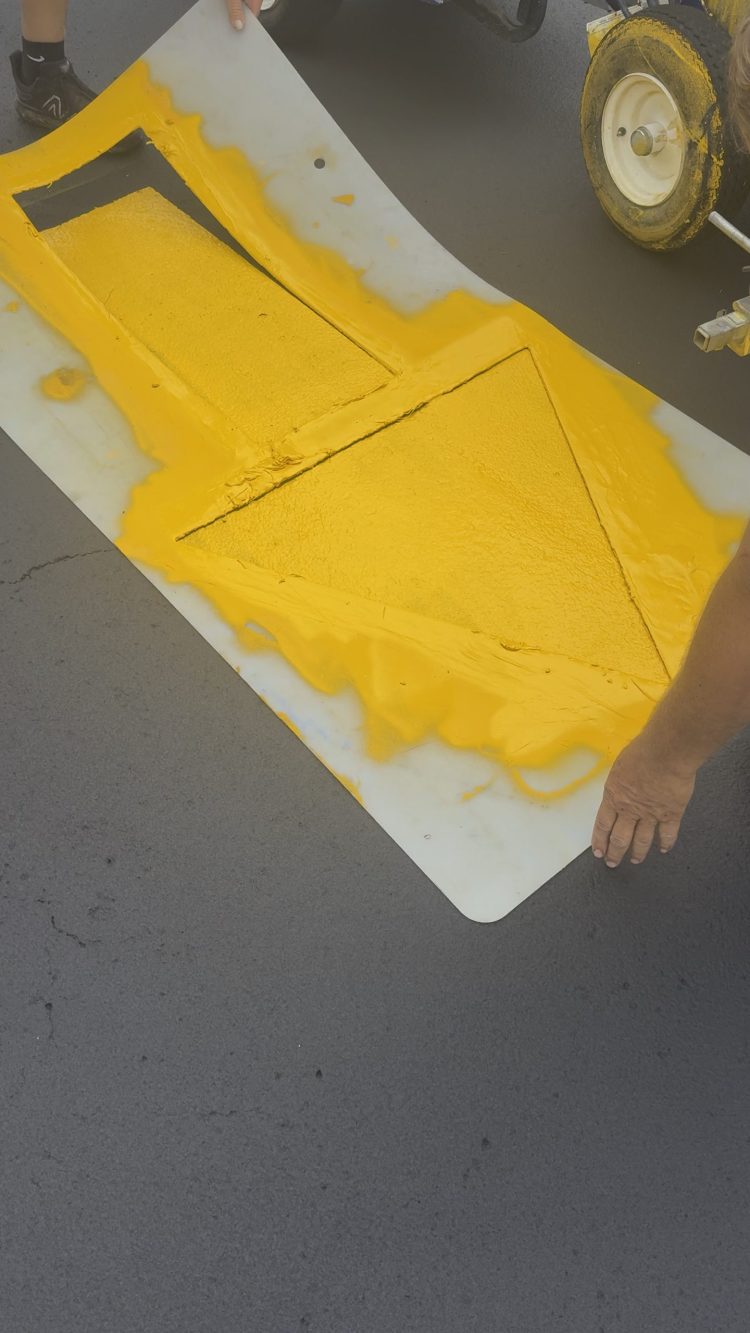
- Think about traffic flow, fire lanes, and areas where people walk so we can paint crossings or guide arrows
Making sure the layout meets current requirements and user expectations helps everyone find their way around safely.
It’s helpful to close off sections of the lot during work to protect both people and paint.
Signs, cones, and rope barriers keep cars out and let the paint set without trouble. Careful sectioning means the rest of the lot stays accessible, reducing inconvenience for visitors and helping the project move efficiently.
Time the Work to Match the Weather
Summer is good for line striping, but that doesn’t mean all summer days are equal. Hot afternoons can be tough on paint, especially if it’s sitting on hot pavement for hours before drying.
- Morning or early evening slots are usually better since surface temps aren’t as high then
- Some paints dry faster than others, but direct sun still impacts how smooth they finish
- Avoiding traffic means working during off-hours or toward the weekend when the lot is quieter
Planning around the weather and traffic is just as important as prepping the surface. We try to plan around those peaks in heat and use drying time to our advantage. A line painted at the right time lasts longer, looks brighter, and doesn’t smudge from early use.
This preparation ensures that freshly painted lines will cure well, extending their lifespan and improving overall demarcation.
Stay Ahead of Summer Parking Needs
With warmer weather comes more foot traffic, customer visits, and events like sidewalk sales, staff changes, or weekend crowds. The layout that worked last fall might need an update now.
- Crosswalks, arrows, and directional signs should fit how people actually move through the space
- Loading zones or delivery areas may need extra width or a fresh coat to stand out in the sun
- Large lots might need changes to keep cars from cutting through rows or blocking exits
Thinking through these needs ahead of the busy season helps prevent bottlenecks and improves safety.
Making these choices before the summer rush helps avoid the need for another round of painting mid-season.
Plus, it’s easier to reset a layout when the lot is already blocked off and empty. Clear, updated markings give a good first impression and guide traffic smoothly, helping businesses and facilities operate without interruption.
A Smooth Surface Leads to Better Parking Lot Line Striping
Prepping for parking lot line striping services is about more than following a checklist.
Each project needs attention to detail, from checking for surface damage to thinking through how people use the space. Getting those small steps right makes a big difference in how the lines look, how long they last, and how the lot works once it’s back in use.
Summer offers the best chance to handle the work without weather delays or rushed drying times. When surfaces are clean, cracks are fixed, and the schedule fits the season, the rest of the job gets easier. Clear lines give the lot a safer, neater look, but the best results always begin with solid prep.
A well-marked parking lot not only improves appearance but reduces confusion and the likelihood of accidents.
The process requires cooperation between everyone involved, from property managers to paint crews.
Double-checking each aspect, reviewing local regulations, and sealing up small imperfections help keep parking areas bright, professional, and safe for the months to come.
Ready to give your lot a fresh start this season? At B & E Coating Services, we smooth out cracks, clean the surface, and check every detail to make sure your layout lasts well into next year.
Our team knows that careful planning and perfect timing matter for both durability and curb appeal. For the best results on your property, ask about our parking lot line striping services. Call us today and let’s get your lot prepped and painted the right way.
